
Verónica Valenti: “A work is finished when I’m satisfied with what I see and feel”
“A work is finished when I am satisfied and happy with what I see and feel”
Verónica Valenti
Who is Verónica Valenti
When she was eight her family moved to Hong Kong, where they stayed for another eight years. That is where she discovered the pull towards expressing herself. As a child she played with dolls, drew and painted.
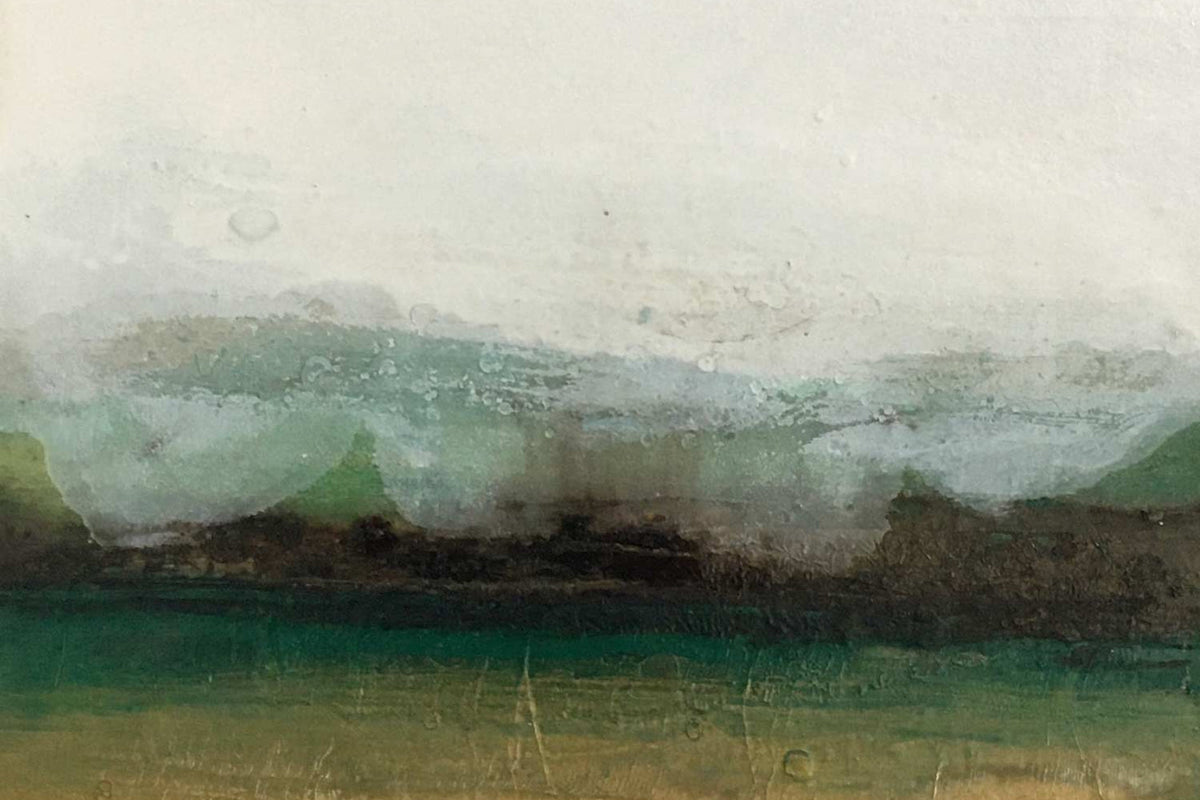
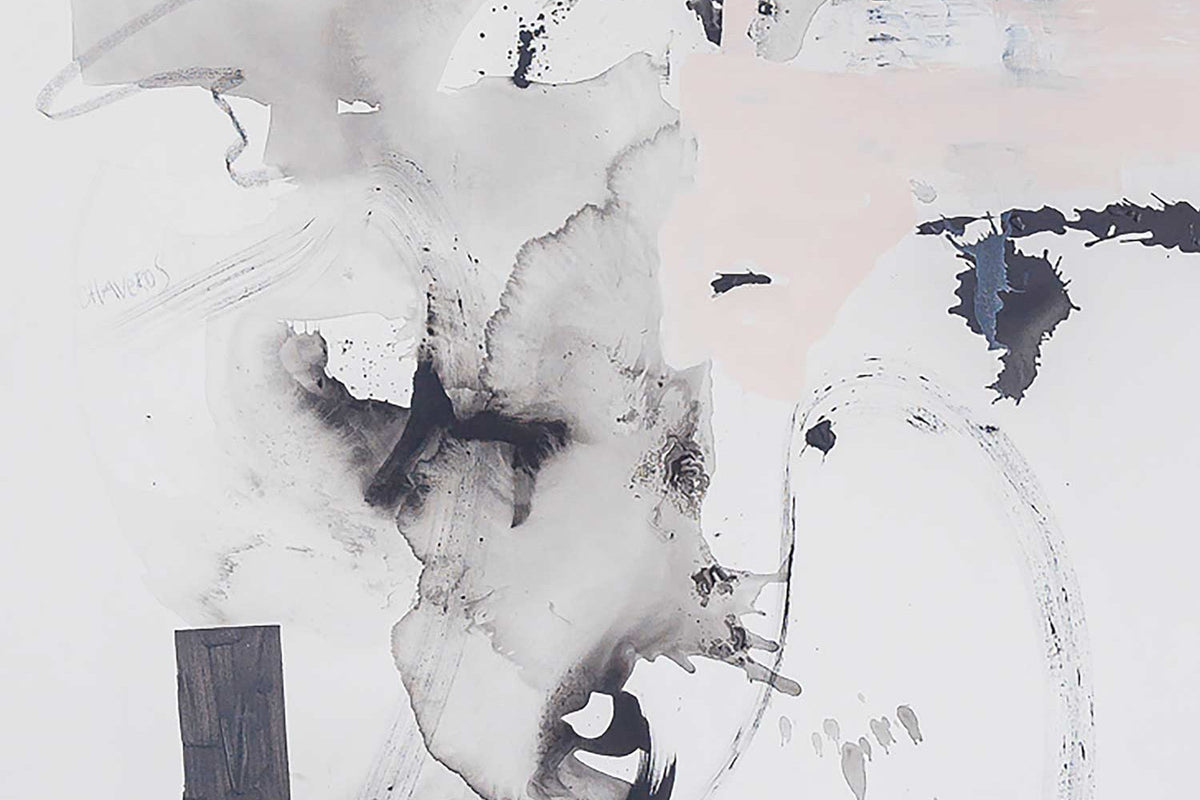
Nature is her greatest source of inspiration. Her art is gestural and dynamic — action painting. She is drawn to colour, and she does not use a brush: she pours the paint from the air and then drags it.
She enjoys talking with friends. She is a good listener and has a sense of humour. In others she values self-awareness and good energy. She is interested in the figurative work of the British painter Jenny Saville. She feels at home in the element of water, for its movement and its vastness.

The interview
What did you like doing as a girl?
At eight the whole family went to live in Hong Kong. I don’t remember my life before that, in Mendoza. As a child I played with dolls, I drew and painted. I fell in love with painting, but I couldn’t tell you when.
Why do you paint?
To express myself. I’m drawn to colour and to shapes.
Which women inspire you?
Nature.
What defines you?
Being in the middle of painting. I also think I’m creative, fun, and good at listening to people.
What do you like in others?
Above all, when someone is self-aware and has good energy. Seeing how other people think, feel and act. Their consciousness interests me.
Your small pleasures?
Time with my friends, eating and drinking well, beautiful landscapes, dancing, painting, contemplating.
How do you deal with how fast everything moves now?
I try to adapt to the speeds, but I have another tempo.
What legacy would you like to leave?
I think art transcends time and awakens emotion. I leave my work so the viewer can look and find out what happens to them in front of it.
If we could watch the film of your career, what would you like to find in it?
Exhibiting all over the world. Travelling with my work. I’ve done one show in New York and another in Paris. But I want more.


Where would you like to live?
Somewhere with a large studio, surrounded by greenery and facing the sea. I like the vastness of the mountains, but I connect more with the energy of water.
Which social issues concern you?
A society without love.
What frightens you?
What is happening with the war right now: turning on the television and watching it live. It worries me that so many bad things are happening globally — the destruction of the planet, and a humanity that isn’t paying attention.
Which painters do you follow?
Christian Hetzel handles colour beautifully. He’s abstract and knows how to build an atmosphere. Also the British artist Jenny Saville, who is figurative and expressive. I follow a lot of painters I find online.
If you hadn’t devoted yourself to art, how would you express yourself?
No idea. Maybe I wouldn’t have the need to express myself.
What is your creative process like?
I go to the studio and start with a blank support. Then I throw paint at it and flow. The way I paint is “action painting” — it’s about being present. And at a fairly advanced point I put it on an easel at home under directed light, and there I see what happens to me: whether I continue, what I want to change.
How do you paint?
I have never used a brush, because something different happens when you make a stroke. I work horizontally, with the support on the floor. I work from the air: I pour the paint and then drag it and move it.
Do you show the work before it’s finished?
Yes, it usually sits on an easel at home and my friends see it. They tend to have opinions — only colleagues. Hearing what they think helps me.
How do you know a work is finished?
When I’m satisfied and happy with what I see and feel. It’s intuitive, it goes through the senses. Although that feeling keeps changing, so I paint over it when it stops attracting me.
Tell me a bit more about the work…
It moves between landscape and abstraction. It’s gestural, emotional painting. A lot of texture and a horizontal line. It’s hard to imagine a landscape without a horizon; the line carries you there.
Is the sensory side very present?
Yes. There’s an instrument in the room — I like the idea of bringing in sound. And the work can be touched, and people do touch it, carefully. I paint first and then varnish, because in Mendoza there’s a lot of dust and this way it can be cleaned.
What is this exhibition like?
It has a different format from the traditional one. It’s playful, experimental and spiritual. I leave instructions for a route through my studio so it becomes a sensory walk where I am not physically present. That way a direct bond forms with the works, without my influence. It’s participatory too: visitors leave notes around some of the pieces with what each of them feels. That’s the interesting part — that several people connect an abstract work with similar emotions.


Verónica on film
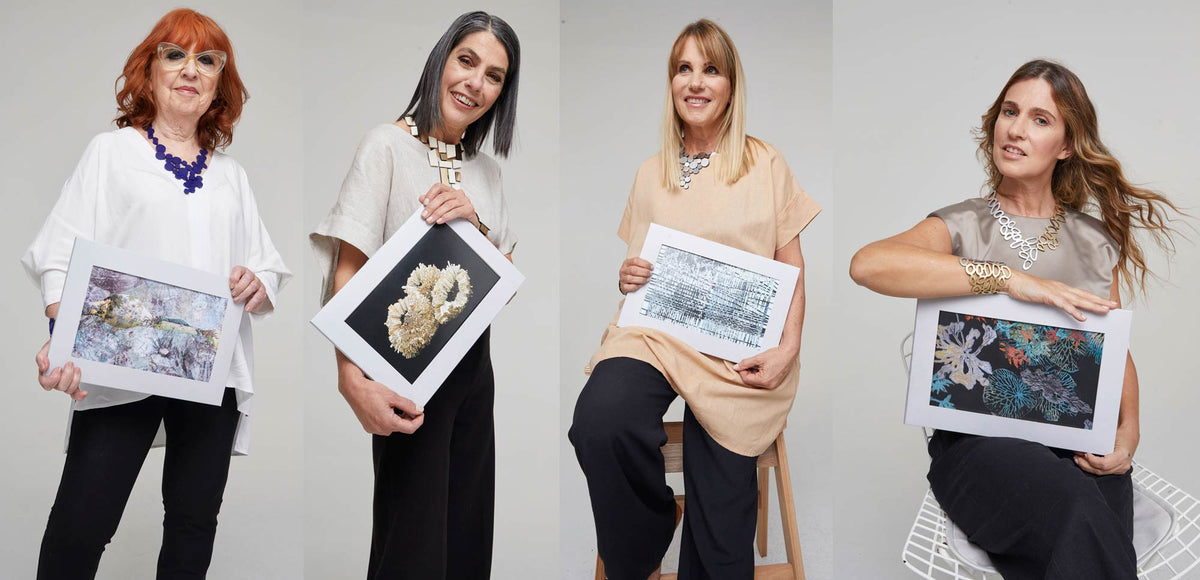
Verónica Valenti is part of United by Art, the programme through which Iskin Sisters invites contemporary women artists to create the art prints that accompany every piece in its packaging.
To see more of her work: @veronicavalenti00

Leave a comment
This site is protected by hCaptcha and the hCaptcha Privacy Policy and Terms of Service apply.